-
 sudip.1583@gmail.com
-
 +91 86973 - 74363
 Monday - Sunday : 10:30am - 9:00pm
sudip.1583@gmail.com
+91 86973 - 74363
Monday - Sunday : 10:30am - 9:00pm
Monday - Sunday : 10:30am - 9:00pm
sudip.1583@gmail.com
+91 86973 - 74363
Monday - Sunday : 10:30am - 9:00pm
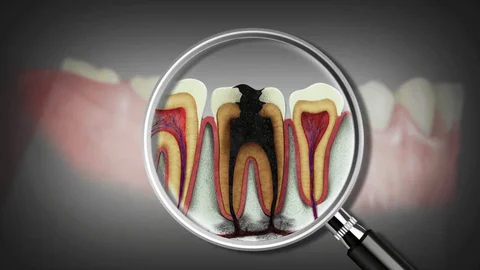
1. Diagnosis: Dentist examines tooth, takes X-rays to confirm infection.
2. Anesthesia: Local anesthesia numbs the area.
3. Access: Dentist opens the tooth to reach infected pulp.
4. Pulp Removal: Removes infected or damaged pulp tissue.
5. Cleaning & Shaping: Cleans and shapes root canals.
6. Filling: Fills canals with gutta-percha (painless).
7. Sealing: Seals the tooth with a temporary or permanent filling.
8. Crown (optional): Places a crown for added protection.
9. Follow-up: Check healing and final restoration.
1. Severe toothache or pain.
2. Sensitivity to hot/cold.
3. Swelling or tenderness.
1. Saves the natural tooth.
2. Relieves pain.
3. Prevents infection spread.
1. Avoid chewing on treated tooth.
2. Follow-up for final restoration.
3. Good oral hygiene.